July 7, 2025
How the “Big Beautiful Bill” Impacts Home Solar Consumers
What the Bill Does
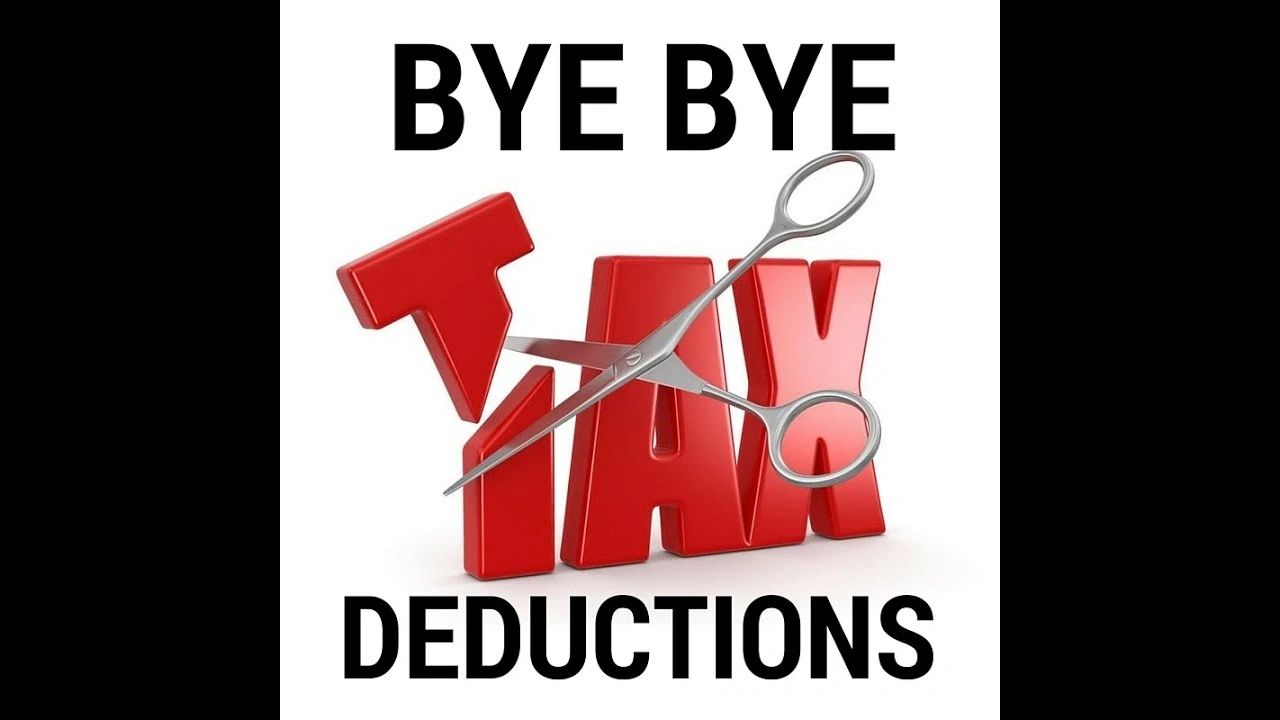
Eliminates the 30% federal solar tax credit (ITC) after 2025: Homeowners will have to install rooftop solar by December 31, 2025 to claim the full 30% credit—about $9,000 on an average system—rather than the original expiration date into the 2030s
Phases out incentives quickly: Even as solar and battery tax credits for businesses linger into 2027, residential credits vanish entirely at the end of 2025.
Immediate Effects on Homeowners
- Race to install: With less than 3 months from now until the end-of-year deadline, homeowners rushing to install will likely face higher demand, thinner crews, and increased equipment premiums.
- Reduced savings long-term: After losing the 30% credit, solar projects still save money—but yields shrink. Systems will cost more, and upfront costs rise significantly.
Broader Consequences
- Utility bills may rise: Analysts warn that fewer clean-energy installations could reduce new capacity by as much as 57–72%, driving up electricity costs for average households by over 7% and potentially up to 30% in some states by the end of the decade.
- Job losses in solar trades: Residential solar firms are already sounding the alarm. Clean energy groups forecast hundreds of thousands of job losses across the sector.
- Grid reliability concerns: With clean-energy expansion slowed, reliance on fossil fuels grows—which may lead to more volatile costs, outages, and less flexible energy infrastructure.
What Homeowners Can Do
- Lock in the credit now: Receive your quote ASAP and schedule installations before the deadline.
- Consider financing or leases: Even without the 30% credit, financing deals, power purchase agreements (PPAs), or loans may help spread costs.
- Evaluate storage options: Battery systems still benefit from other credits beyond 2025.
Timeline for Homeowners
- Now–Dec 2025: Eligible for full 30% solar credit—best window to act.
- 2026–2027: No residential credit; business incentives may still flow.
- 2028 and after: Incentives phased out.
Final Takeaways
- Short-term surge: Immediate rush may drive up installation costs and schedule delays.
- Long-term cooling: Without federal support, solar adoption slows—costs higher, grids stressed, solar job growth stalls.
- Local solutions matter: State-level incentives and alternative financing will become more crucial.
- To homeowners considering solar: your best window to save big is closing fast— act before the end of 2025 . After that, solar remains viable, just with slimmer returns.
Let us come to you!
Get an estimate with a FREE consultation with one of our experts.